
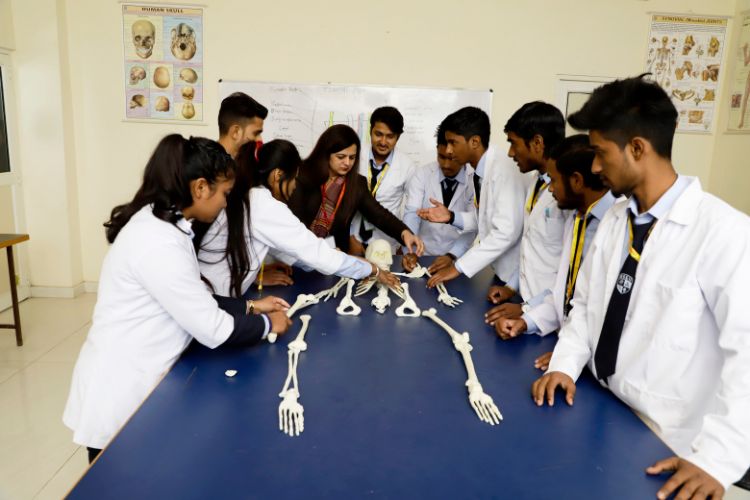
Advance Diploma in Physician Assistant (ADPA)
By NCTA Team Last Updated: September 15, 2026Overview:
A Physician Assistant (PA) is a healthcare professional trained to diagnose illnesses, develop treatment plans, prescribe medications, and assist in surgeries under the supervision of a licensed physician. PAs work in various medical settings, including hospitals, clinics, and specialty care centers, providing primary and specialized medical care. Their role bridges the gap between doctors and nurses, ensuring efficient patient management and healthcare delivery.
Course Description:
Advance Diploma in Physician Assistant (ADPA) is a one-year specialized program offered by the National Council of Training Academy. This course is designed to equip students with fundamental medical knowledge and practical skills to assist physicians in clinical settings. It covers essential areas such as medical diagnosis, patient care, pharmacology, surgical assistance, and emergency management.
Through theoretical learning and practical training, students will gain expertise in conducting medical histories, interpreting lab reports, assisting in minor procedures, and managing patient care under a physician’s supervision. This program is ideal for individuals seeking a career in healthcare or looking to enhance their clinical skills. Upon completion, graduates can work in hospitals, clinics, emergency care centers, and other medical facilities, supporting doctors in delivering quality patient care.
Course Curriculum:
Advanced Diploma in Physician Assistant (ADPA) is a specialized program designed to provide in-depth medical knowledge and clinical skills required to assist physicians in various healthcare settings. This course covers essential medical sciences, patient care, and public health, preparing graduates for advanced roles in hospitals, clinics, and community health programs. Below is the detailed curriculum:
- General Anatomy
- General Pathology
- General Physiology
- Pharmacology
- Preventive and Social Medicine
- Public Health and Epidemiology
- Health and Hygiene
- Practical (Project Based)
Placement Areas:
After completing the Advance Diploma in Physician Assistant (ADPA), learner can find opportunities in various healthcare settings, including:
- Hospitals & Clinics: Assisting doctors in patient care, diagnostics, and minor procedures.
- Surgical Centers: Supporting surgeons in pre- and post-operative care.
- Rehabilitation Centers: Helping patients recover from injuries and surgeries through therapeutic techniques.
- Emergency Care Units: Assisting in trauma care, first aid, and emergency response.
- Primary Care & Specialty Clinics: Working in general medicine, cardiology, orthopedics, and other specialized fields.
- Home Healthcare Services: Providing medical support for patients requiring ongoing care at home.
Salary Expectations:
After completing the Advanced Diploma in Physician Assistant (ADPA), salaries vary by location and experience. In India, entry-level salaries range from ₹4–₹6 lakh per year, rising to ₹8–₹12 lakh with experience. Globally, earnings can reach $100,000+ (US), £40,000+ (UK), and AUD 85,000+ (Australia) annually, with higher pay in specialized fields.
Academic Recognition & Certification
The Advance Diploma in Physician Assistant (ADPA) offered by NCTA is delivered under the institution's quality framework and recognized academic collaborations. Selected certificate programmes are certified by Medhavi Foundation (NSDC Partner), while selected diploma and certificate programmes are awarded by Orion Educational Society (NCVET Awarding Body), depending on the programme.
These academic collaborations enhance the credibility, industry relevance, and career value of NCTA's vocational and professional programmes.
Course Features
| Course Code | NCTA-312 |
| Duration | 1 Year/540 hours |
| Category | Advance Diploma in Physician Assistant (ADPA) |
| Eligibility | 10TH PASS10TH PASS/2-10 Year Experience in Relevant Field |
| Fees | $330 USD |
To know more about this course, feel free to reach us on WhatsApp:
+91 9733600770Ready to Enroll in This Course?
Start your learning journey today and unlock your potential!
Apply Now for This CourseCurrent Job Opportunities for This Course
Dental Assistant (Clinical Assistant)
Rudra Dental Chennai (Anakaputhur)Prabhi Travels is hiring an International Travel Consultant in New Delhi (Janakpuri). The role involves selling international holiday packages, creating customized itineraries, handling travel inquiries, and ensuring excellent customer service. Attractive incentives and performance bonuses are offered.
Read More