Certificate In Front Line Health Worker (CFLHW)
By NCTA Team Last Updated: September 14, 2026Overview:
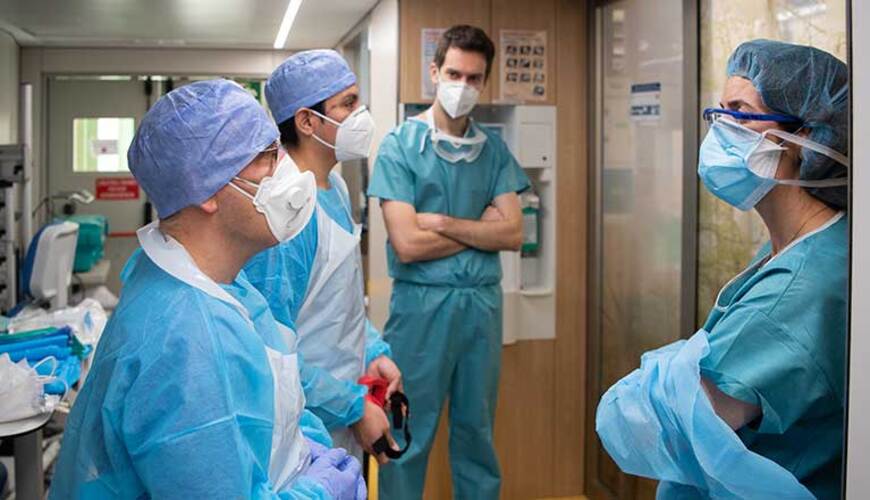
Frontline health workers are medical and healthcare professionals who provide direct patient care, especially in emergency, primary, and community healthcare settings. They play a crucial role in preventing, diagnosing, and treating diseases while often working in high-risk environments.
Course Description:
Certificate in Front Line Health Worker (CFLHW) is a six-month paramedical program designed to equip students with essential skills and knowledge to provide frontline healthcare services in emergency, primary care, and community health settings. This course prepares individuals to work alongside doctors, nurses, and paramedics in hospitals, clinics, disaster response teams, and public health initiatives.
Students will gain expertise in basic patient care, emergency response, infection control, health education, and first aid administration. The curriculum emphasizes hands-on training, real-world case studies, and practical applications to ensure graduates are ready to serve in high-demand healthcare roles.
Course Curriculum:
The course covers fundamental medical sciences, patient safety, emergency care, infection control, and nursing care skills to prepare graduates for frontline healthcare roles. Through a combination of theoretical knowledge, practical training, and hands-on simulations, students will gain expertise in handling medical emergencies, assisting healthcare professionals, and promoting public health awareness. Below is the detailed curriculum:
- General Anatomy
- General Physiology
- General Pathology
- Health & Hygiene
- Practice of Medicine
- Practical (Project Based)
Career Opportunities:
Learner of this program will be well-equipped to work in various healthcare settings, including hospitals, clinics, community health centers, and emergency response teams. Potential career paths include:
- Frontline Health Worker: Providing basic healthcare services, assisting doctors and nurses, and educating communities about health and hygiene.
- Community Health Worker: Engaging in health promotion, disease prevention, and patient education programs in rural and urban areas.
- Emergency Medical Assistant: Supporting ambulance and disaster response teams in handling medical emergencies.
- Healthcare Assistant in Hospitals & Clinics: Assisting healthcare professionals in patient care, medication administration, and infection control.
- Public Health Assistant: Working in public health initiatives, vaccination drives, and disease prevention campaigns.
- Home Health Aide: Providing care for elderly, disabled, or chronically ill patients in their homes.
- Primary Care Assistant: Assisting in outpatient clinics, diagnostic centers, and rehabilitation centers.
- Medical Support Staff in NGOs & Government Health Programs: Assisting in community health programs, maternal and child health services, and immunization drives.
- Health & Hygiene Educator: Conducting awareness programs on personal hygiene, sanitation, and disease prevention.
Salary Expectations:
Learner can earn ₹12,000–₹25,000 per month in India and $1,200–$2,500 internationally at entry level. With experience, salaries may rise to ₹30,000–₹45,000 in India and $3,000–$5,000 abroad. Government roles offer ₹15,000–₹30,000, private hospitals ₹20,000–₹40,000, and NGOs ₹12,000–₹30,000. International organizations like WHO may offer $2,000–$5,000 per month. The field ensures job stability and growth.
Academic Recognition & Certification
The Certificate In Front Line Health Worker (CFLHW) offered by NCTA is delivered under the institution's quality framework and recognized academic collaborations. Selected certificate programmes are certified by Medhavi Foundation (NSDC Partner), while selected diploma and certificate programmes are awarded by Orion Educational Society (NCVET Awarding Body), depending on the programme.
These academic collaborations enhance the credibility, industry relevance, and career value of NCTA's vocational and professional programmes.
Course Features
| Course Code | NCTA-144 |
| Duration | 6 MONTHS/270 HOURS |
| Category | Certificate In Front Line Health Worker (CFLHW) |
| Eligibility | 10TH PASS/2-10 Year Experience in Relevant Field |
| Fees | $280 USD |
To know more about this course, feel free to reach us on WhatsApp:
+91 9733600770Ready to Enroll in This Course?
Start your learning journey today and unlock your potential!
Apply Now for This Course